
Speech Misread as Intention
The Reason I JumpThis flow traces the conflict between what Naoki Higashida intends to communicate and what listeners assume his words or silence mean.
increasing Bearing strength in each event
 decreasing
Bearing strength in each eventdecreasingWords Disappear
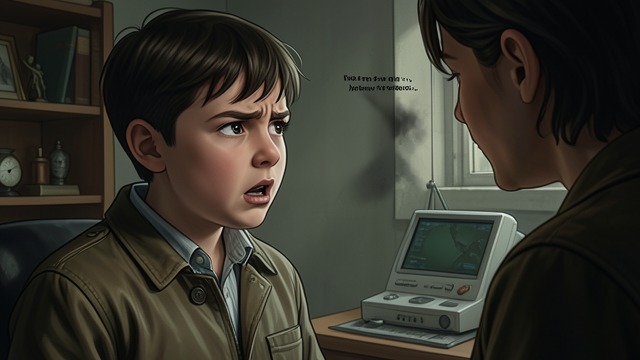
Words Disappear
Failed access to speech
Naoki Higashida says that words can vanish when he tries to speak with someone. He may manage a few words, but they can emerge opposite to his intended meaning.
Misjudgment follows
Listeners may take the speech they hear as a clear statement of intention. The gap between intention and output becomes the source of misunderstandings that he cannot easily correct.
The Loud Unwanted Voice

The Loud Unwanted Voice
A reflexive sound
Naoki Higashida describes a loud or unusual voice that can erupt in response to what he sees or remembers. Trying to suppress it may feel physically painful.
Shame without control
He knows that the sound can bother others and wishes he could remain quiet. Being told to stop does not necessarily make the reflex controllable, leaving him ashamed and frustrated.
Conversation's Impossible Speed

Conversation's Impossible Speed
A narrow window
Non-autistic speakers can move from thought to speech quickly, while Naoki Higashida needs time to assemble a response. During that delay, the reply may disappear.
Pressure escalates
Additional questions arrive before he can recover what he wanted to say. The exchange becomes a flood of words, making silence look like indifference when it is actually overload.
Silence Called Ignoring

Silence Called Ignoring
Attention missed
Naoki Higashida may fail to notice that someone is speaking even when the person is nearby. Others can interpret this as deliberate disregard or arrogance.
Shame deepens
People prompt him to say hello, and he may repeat the words rather than respond spontaneously. He feels guilty but cannot readily explain the missed signal or repair the interaction.
A Request to Listen Carefully
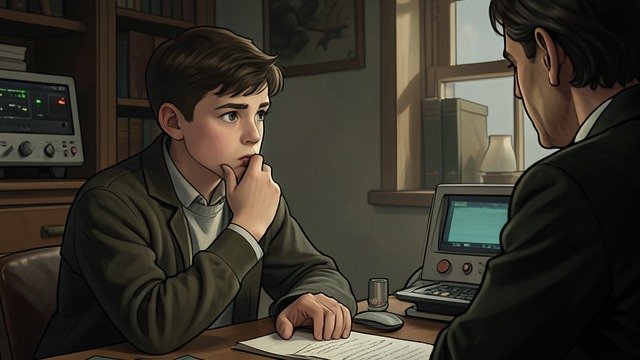
A Request to Listen Carefully
Words can mislead
Naoki Higashida warns that making sounds is not the same as communicating intended meaning. Even yes-or-no answers can come out wrong or be misunderstood.
Responsibility shared
He asks listeners not to assume that every word is exactly what the speaker meant. Communication becomes less adversarial when others allow for error and try to understand the feelings beneath it.
in Naoki's childhood recollections
early in the answers about speech
in the answer about delayed responses
in the answer about responding to people
near the end of the communication answers
